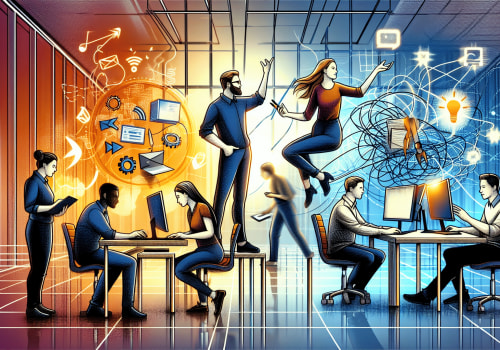
In recent years, the integration of Artificial Intelligence (AI) into the realm of web development has sparked a transformative shift in how websites are designed and built. As technology continues to evolve, AI is emerging as a powerful ally for web developers, enhancing their capabilities and streamlining processes that were once time-consuming and labor-intensive. This synergy between human creativity and machine efficiency is not just a trend; it represents a fundamental change in the landscape of into the realm of web development has sparked a transformative shift in how websites are designed and built. As technology continues to evolve, AI is emerging as a powerful ally for web developers, enhancing their capabilities and streamlining processes that were once time-consuming and labor-intensive. This synergy between human creativity and machine efficiency is not just a trend; it represents a fundamental change in the landscape of web designweb design.The role of AI in web development extends far beyond mere automation. It encompasses a wide array of applications, from intelligent design tools that suggest layouts and color schemes to advanced algorithms that analyze user behavior and optimize website performance.
By leveraging these AI-driven solutions, developers can create more engaging and user-friendly experiences, ultimately leading to higher conversion rates and customer satisfaction. This collaboration allows developers to focus on strategic decision-making and creative problem-solving, rather than getting bogged down by repetitive tasks.Moreover, as we delve deeper into the capabilities of AI, it becomes evident that its true potential lies in its ability to enhance human skills rather than replace them. While AI can generate code or suggest design elements, it lacks the nuanced understanding of human emotions and cultural contexts that a skilled developer possesses. This unique human touch is essential in crafting websites that resonate with users on a personal level.
As we explore the multifaceted role of AI in web development, we will uncover how it not only complements but also amplifies the innate abilities of web designers, paving the way for innovative solutions that were previously unimaginable.
Understanding Web Design and Development
In the realm of creating digital experiences, web design and web development are two fundamental components that work in tandem to produce functional and visually appealing websites. While they are often used interchangeably, understanding their distinct roles is crucial for anyone involved in the digital landscape.Web design
primarily focuses on the aesthetic aspects of a website. It encompasses the layout, color schemes, typography, and overall visual elements that contribute to the user experience. Designers aim to create an engaging interface that not only attracts visitors but also guides them through the content seamlessly.
This involves a deep understanding of user behavior and preferences, as well as the principles of design such as balance, contrast, and hierarchy.On the other hand, web development refers to the technical implementation of a website's functionality. This includes coding and programming that bring the designer's vision to life. Developers work with various programming languages such as HTML, CSS, JavaScript, and backend languages like PHP or Python to ensure that a website operates smoothly and efficiently. They are responsible for making sure that all interactive elements function correctly and that the site is optimized for performance across different devices and browsers.The differences between web design and web development can be summarized as follows:
- Focus: Web design is about aesthetics; web development is about functionality.
- Skills Required: Designers typically use tools like Adobe Photoshop or Sketch, while developers use coding languages and frameworks.
- Outcome: The outcome of web design is a visually appealing layout; the outcome of web development is a fully functional website.
A well-designed website cannot succeed without effective development, just as a beautifully coded site may fail if it lacks an intuitive design. Collaboration between designers and developers is essential to create a cohesive product that meets both aesthetic and functional requirements.In summary, while web design and web development serve different purposes within the website creation process, their synergy is what ultimately leads to successful digital experiences. Understanding these roles lays the groundwork for exploring how AI can enhance both fields by streamlining processes and improving outcomes.
The Evolution of AI in Web Development
The journey of artificial intelligence in web development is a fascinating tale of innovation and adaptation. It began in the mid-20th century when the concept of AI was first introduced.Early AI systems were primarily focused on simple tasks, such as data processing and basic decision-making. However, as technology advanced, so did the capabilities of AI, leading to significant milestones that have shaped the landscape of web design.In the 1990s, the advent of the internet brought about a new era for web development. During this time, AI began to find its footing in various applications, including search engines and recommendation systems. These early implementations laid the groundwork for more sophisticated tools that would emerge in the following decades.As we moved into the 2000s, web design tools started to evolve rapidly.
The introduction of content management systems (CMS) like WordPress and Joomla allowed developers to create websites more efficiently. AI began to play a role in these platforms by automating tasks such as SEO optimization and content generation. This shift not only improved productivity but also enhanced user experience by providing personalized content.By the 2010s, AI technologies had advanced significantly, leading to the development of intelligent design tools. For instance, platforms like Adobe Sensei integrated AI to assist designers in creating visually appealing layouts and optimizing images automatically.
These tools leveraged machine learning algorithms to analyze user behavior and preferences, enabling developers to create more tailored web experiences.Today, we are witnessing a remarkable integration of AI in web development processes. Tools such as ChatGPT and other natural language processing applications are revolutionizing how developers interact with code and design elements. These advancements allow for real-time feedback and suggestions, streamlining workflows and enhancing creativity.The impact of AI on web development is profound. It not only accelerates the design process but also empowers developers to focus on strategic aspects of their projects.
As we look ahead, it is clear that AI will continue to evolve, shaping the future of web design in ways we are just beginning to understand.
AI Tools Transforming Web Design
In the rapidly evolving landscape of web design, AI tools are becoming indispensable for designers seeking to enhance their workflows and deliver exceptional user experiences. These tools not only streamline the design process but also introduce innovative functionalities that can significantly improve the quality of web projects.Here are some of the most popular AI tools currently transforming web design:- Adobe Sensei : This powerful AI and machine learning platform integrates seamlessly with Adobe's suite of creative tools. It automates mundane tasks such as image tagging and color matching, allowing designers to focus on more creative aspects. With features like content-aware fill and facial recognition, Adobe Sensei enhances the efficiency of graphic design and web layout creation.
- Figma : Figma has introduced AI-driven features that assist in generating design suggestions based on user input.
Its collaborative nature allows teams to work together in real-time, while AI helps streamline the design process by suggesting layouts and components that align with best practices.
- Sketch2Code : Developed by Microsoft, this tool converts hand-drawn sketches into HTML code using AI. Designers can simply upload images of their sketches, and Sketch2Code will analyze them to produce a functional web layout. This tool is particularly beneficial for rapid prototyping and turning ideas into tangible designs quickly.
- Canva : While primarily known as a graphic design tool, Canva has incorporated AI features that suggest design elements based on user preferences. Its intuitive interface allows users to create visually appealing web graphics without extensive design knowledge, making it accessible for all skill levels.
- Uizard : Uizard leverages AI to transform wireframes into interactive prototypes.
This tool is particularly useful for designers looking to validate their ideas quickly. By inputting basic sketches or descriptions, Uizard generates a working prototype that can be tested with users.
- Increased Efficiency : By automating repetitive tasks, designers can allocate more time to creative problem-solving and innovation.
- Enhanced Creativity : AI tools provide inspiration and suggestions that can spark new ideas, pushing the boundaries of traditional design.
- Improved User Experience : With AI's ability to analyze user behavior and preferences, designers can create more personalized and engaging web experiences.
- Cost-Effectiveness : By reducing the time spent on manual tasks, businesses can save on labor costs while still producing high-quality designs.
Enhancing Creativity with AI: A New Paradigm for Designers
In the realm of web design, creativity is paramount. Designers are constantly challenged to produce innovative and visually appealing solutions that resonate with users. However, the creative process can often be hindered by repetitive tasks and time-consuming workflows.This is where Artificial Intelligence (AI) steps in, revolutionizing the way designers approach their work.AI tools are designed to automate mundane tasks, allowing designers to focus on what they do best: creating. For instance, AI can handle routine activities such as resizing images, generating color palettes, or even suggesting layout options based on user behavior data. By taking over these repetitive elements, AI frees up valuable time for designers to explore new ideas and push the boundaries of their creativity.Moreover, AI can serve as a source of inspiration. Advanced algorithms analyze vast amounts of design data and trends, providing designers with innovative suggestions that they may not have considered otherwise.
This collaborative relationship between human creativity and AI-generated insights fosters a new paradigm in web design. Designers can leverage AI to enhance their creative processes, leading to more unique and effective designs.One notable example of this collaboration is the use of AI-driven design platforms that offer real-time feedback on design choices. These platforms can analyze user engagement metrics and suggest modifications that could improve user experience. By integrating AI into their workflow, designers can make informed decisions that align with user preferences while maintaining their creative vision.Furthermore, the integration of AI in web design encourages experimentation.
Designers can quickly prototype multiple variations of a design without the fear of extensive time investment. This agility allows for rapid iteration and refinement, ultimately leading to more innovative outcomes.In conclusion, AI is not just a tool for efficiency; it is a catalyst for creativity in web design. By automating repetitive tasks and providing insightful suggestions, AI empowers designers to focus on their core strengths—creativity and innovation. As this technology continues to evolve, it will undoubtedly reshape the landscape of web design, enabling designers to achieve new heights in their creative endeavors.
AI's Role in User Experience (UX) Design
In the realm of web design, user experience (UX) is paramount.As users increasingly demand seamless interactions and personalized content, the integration of artificial intelligence (AI) into UX design has become a game-changer. AI technologies are not just enhancing the aesthetic appeal of websites; they are fundamentally transforming how users interact with digital platforms.One of the most significant contributions of AI to UX design is its ability to deliver personalized experiences. By analyzing user behavior, preferences, and past interactions, AI can tailor content and recommendations to individual users. For instance, e-commerce websites utilize AI algorithms to suggest products based on previous purchases or browsing history.
This level of personalization not only improves user satisfaction but also increases conversion rates, making it a vital aspect of effective web design.Moreover, AI-driven tools can create adaptive interfaces that respond to user needs in real-time. These interfaces can adjust layouts, colors, and even content based on user interactions. For example, if a user frequently engages with certain types of content, the interface can prioritize similar content in future visits. This adaptability ensures that users find what they are looking for quickly and efficiently, thereby enhancing their overall experience.Another area where AI excels is in predictive analytics.
By leveraging data from various sources, AI can anticipate user needs and behaviors. This capability allows designers to create proactive solutions that address potential issues before they arise. For instance, if a user is likely to abandon their shopping cart based on historical data, an AI system can trigger reminders or offer discounts to encourage completion of the purchase.Furthermore, AI tools can assist in conducting user research more effectively. Traditional methods such as surveys and focus groups can be time-consuming and may not always yield accurate insights.
In contrast, AI can analyze vast amounts of data from user interactions to identify trends and pain points quickly. This data-driven approach enables designers to make informed decisions that align with user expectations.In conclusion, the role of AI in enhancing user experience within web design cannot be overstated. By providing personalized content, creating adaptive interfaces, utilizing predictive analytics, and streamlining user research processes, AI empowers designers to craft more engaging and effective digital experiences. As we move forward in this digital age, embracing AI will be crucial for any web design strategy aiming for success.
Challenges and Limitations of AI in Web Development
While the integration of AI in web development offers numerous advantages, it is essential to acknowledge the challenges and limitations that accompany this technological advancement.Understanding these factors is crucial for developers and businesses aiming to leverage AI effectively.One significant limitation of AI in web development is its reliance on data. AI systems learn from existing datasets, which means they can only perform as well as the data they are trained on. If the data is biased or incomplete, the AI's outputs may reflect those flaws, leading to suboptimal design choices or functionality issues. This limitation underscores the importance of curating high-quality datasets to train AI models.Moreover, AI tools often struggle with contextual understanding.
While they can generate code or suggest design elements based on patterns, they may not fully grasp the specific needs of a project or the nuances of user experience. For instance, an AI might recommend a layout that is visually appealing but fails to consider accessibility standards or user behavior, which can alienate certain user groups.Another challenge lies in the ethical considerations surrounding AI in web design. As AI systems become more prevalent, questions arise about transparency and accountability. Developers must ensure that AI-generated content does not perpetuate stereotypes or biases.
Additionally, there is a growing concern about data privacy and how user information is utilized by AI systems. Ensuring compliance with regulations such as GDPR is paramount for maintaining user trust.Furthermore, the rapid evolution of AI technology poses a challenge for web developers who must continuously adapt to new tools and methodologies. This constant change can lead to a skills gap where developers may feel overwhelmed by the pace of innovation, potentially hindering their ability to implement AI solutions effectively.In conclusion, while AI has the potential to revolutionize web development by enhancing efficiency and creativity, it is vital to remain aware of its limitations and challenges. By addressing these issues proactively, developers can harness the power of AI while ensuring ethical practices and high-quality outcomes in their web design projects.
The Future of Web Development: Human-AI Collaboration
As we look toward the future of web development, the synergy between human creativity and artificial intelligence (AI) is poised to redefine the landscape.This collaboration is not merely a trend; it represents a fundamental shift in how web design and development will be approached. By leveraging AI technologies, developers can enhance their workflows, streamline processes, and ultimately create more engaging user experiences.One of the most significant trends in this evolving field is the increasing reliance on AI-driven tools that assist in various aspects of web design. For instance, AI algorithms can analyze user behavior and preferences, enabling developers to tailor websites that resonate with their target audience. This data-driven approach allows for more personalized experiences, which are becoming essential in today’s competitive digital environment.Moreover, AI can automate repetitive tasks such as coding and testing, freeing up developers to focus on more complex challenges that require human insight and creativity.
This shift not only enhances productivity but also fosters innovation as developers can dedicate more time to brainstorming and implementing unique design solutions.In addition to improving efficiency, the collaboration between humans and AI is expected to lead to the emergence of new roles within the web development ecosystem. As AI tools become more sophisticated, there will be a growing need for professionals who can interpret AI-generated insights and translate them into actionable strategies. This could include roles such as AI trainers or data analysts who specialize in understanding user interactions.Furthermore, as web design technology continues to evolve, we can anticipate advancements in areas such as responsive design, accessibility, and user interface (UI) enhancements driven by AI capabilities. For example, AI can help identify accessibility issues on websites and suggest improvements, ensuring that all users have a seamless experience regardless of their abilities.Ultimately, the future of web development will be characterized by a collaborative approach where human intuition complements AI efficiency.
As developers embrace these technologies, they will not only enhance their own capabilities but also push the boundaries of what is possible in web design. The key takeaway is that while AI will play an increasingly prominent role in shaping web development, it is the human touch that will continue to drive creativity and innovation.
Conclusion: Embracing AI as a Partner in Web Design
As we conclude our exploration of the role of AI in web design, it is essential to reflect on the transformative impact that artificial intelligence has had on the web development landscape. Throughout this discussion, we have seen how AI serves as a powerful ally for web developers, streamlining processes and enhancing productivity. However, it is equally important to recognize that the integration of AI does not diminish the value of human skills; rather, it amplifies them.AI tools have revolutionized various aspects of web design, from automating mundane tasks to providing data-driven insights that inform design decisions.For instance, AI can analyze user behavior and preferences, enabling developers to create more personalized and engaging experiences. This capability allows designers to focus on crafting unique visual elements and user interfaces that resonate with their target audience.Despite these advancements, the essence of web design remains rooted in human creativity and intuition. While AI can generate code or suggest layouts based on algorithms, it lacks the emotional intelligence and cultural understanding that human designers bring to the table. The ability to empathize with users, understand their needs, and translate those insights into compelling designs is a distinctly human trait that AI cannot replicate.Moreover, collaboration among diverse teams—including developers, designers, marketers, and stakeholders—remains crucial in creating successful web projects.
AI can facilitate communication and streamline workflows, but it cannot replace the nuanced discussions and brainstorming sessions that lead to innovative solutions. The synergy between human creativity and AI efficiency is what ultimately drives successful web design.In summary, embracing AI as a partner in web design opens up new possibilities for innovation and efficiency. However, it is vital to maintain a balance where human skills are celebrated and leveraged alongside technological advancements. As we move forward in this evolving landscape, let us remember that while AI enhances our capabilities, it is our unique human qualities that will leave a lasting impression on users and shape the future of web design.