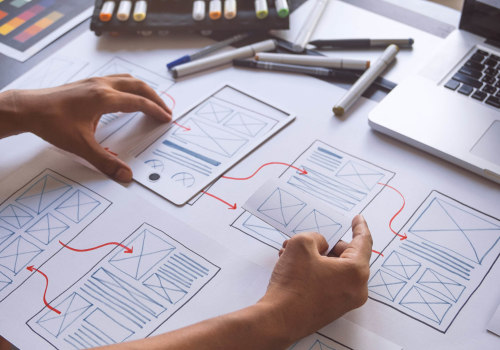
In the rapidly evolving digital landscape, web design has emerged as a critical component for businesses and individuals alike. At its core, web design encompasses the planning, creation, and maintenance of websites, focusing on aesthetics, functionality, and user experience. It is not merely about making a site look attractive; it involves a deep understanding of how users interact with digital content and how to create an engaging environment that meets their needs. As we delve into the intricacies of web design, it becomes clear that its significance extends far beyond visual appeal.The importance of web design cannot be overstated.
A well-designed website serves as a powerful tool for communication, marketing, and brand identity. It acts as the digital storefront for businesses, influencing first impressions and shaping user perceptions. In an age where consumers often judge a company based on its online presence, having a professional and user-friendly website is essential for building trust and credibility. Moreover, effective web design can enhance search engine optimization (SEO), making it easier for potential customers to find your site through search engines.As we explore the various facets of web design throughout this article, we will uncover the fundamental principles that guide successful designs, the latest trends shaping the industry, and the critical role that user experience plays in creating websites that not only attract visitors but also convert them into loyal customers.
Understanding these elements is vital for anyone looking to navigate the complexities of web design effectively.
The Myths Surrounding Web Design
When it comes to web design, numerous myths and misconceptions can cloud the understanding of what this field truly entails. Many people believe that web design is solely about creating visually appealing websites, but this is just one facet of a much broader discipline. Let’s explore some of the most common myths surrounding web design and debunk them to provide a clearer picture.Myth 1: Web Design is Just About Aesthetics
While aesthetics play a significant role in web design, they are not the only consideration. A well-designed website must also prioritize functionality, usability, and user experience (UX).
This means that designers need to understand how users interact with websites and ensure that navigation is intuitive. A beautiful website that is difficult to navigate will ultimately frustrate users and lead to high bounce rates.
Myth 2: Anyone Can Be a Web Designer
Another common misconception is that anyone can become a web designer simply by using a website builder or template. While these tools can simplify the process, true web design requires a blend of technical skills, creativity, and strategic thinking. Knowledge of coding languages such as HTML, CSS, and JavaScript is often essential for customizing designs and ensuring optimal performance across different devices.
Myth 3: Web Design is a One-Time Task
Many believe that once a website is designed and launched, the work is done.
In reality, web design is an ongoing process. Websites require regular updates, maintenance, and optimization to stay relevant and functional. This includes refreshing content, improving SEO strategies, and adapting to new technologies or user preferences.
Myth 4: All Web Designers Are the Same
The field of web design encompasses various specializations, including UX design, UI design, graphic design, and front-end development. Each specialization requires different skills and knowledge bases.
Therefore, not all web designers possess the same expertise or approach to their work. Understanding these differences can help clients choose the right professional for their specific needs.
Myth 5: Web Design Doesn’t Impact SEO
Some people think that web design has no bearing on search engine optimization (SEO). However, this couldn’t be further from the truth. A well-structured website with clean code can significantly enhance SEO efforts by improving site speed and ensuring mobile-friendliness.
Additionally, user experience factors such as page load times and navigation ease can influence search engine rankings.By debunking these myths about web design, we can better appreciate the complexity and importance of this field. It’s not just about making things look good; it’s about creating functional, user-friendly experiences that meet both business goals and user needs.
The Essential Skills for Aspiring Web Designers
To thrive in the competitive field of web design, aspiring designers must cultivate a diverse set of skills that blend technical expertise with creative flair. Here are some essential skills that every web designer should focus on:- Proficiency in Design Software: Familiarity with design tools such as Adobe Photoshop, Illustrator, and Sketch is crucial. These programs allow designers to create stunning visuals and mockups that can be translated into functional websites. Familiarity with design tools such as Adobe Photoshop, Illustrator, and Sketch is crucial. These programs allow designers to create stunning visuals and mockups that can be translated into functional websites.
- Understanding of HTML and CSS: A solid grasp of HTML (HyperText Markup Language) and CSS (Cascading Style Sheets) is fundamental for any web designer.
These languages form the backbone of web development, enabling designers to structure content and style it effectively.
- Responsive Design Skills: With the increasing use of mobile devices, understanding how to create responsive designs that adapt to various screen sizes is essential. This skill ensures that websites provide a seamless user experience across all devices.
- User Experience (UX) Knowledge: A successful web designer must prioritize user experience. This involves understanding how users interact with websites and designing interfaces that are intuitive and engaging. Conducting user research and usability testing can provide valuable insights into improving design.
- Creativity and Aesthetic Sense: Creativity is at the heart of web design.
Designers should have a keen eye for aesthetics, including color theory, typography, and layout principles. This artistic sensibility helps in crafting visually appealing websites that capture users' attention.
- Basic Understanding of SEO: Knowledge of search engine optimization (SEO) principles can significantly enhance a website's visibility. Designers should understand how to structure content and use keywords effectively to improve search rankings.
- Communication Skills: Effective communication is vital for collaborating with clients, developers, and other stakeholders. Being able to articulate design concepts clearly and listen to feedback is essential for successful project outcomes.
Continuous learning and staying updated with the latest trends will further enhance their capabilities, allowing them to create impactful web experiences.
The Importance of Responsive Web Design
In an era where digital interactions occur across a multitude of devices, the significance of responsive web designresponsive web design cannot be overstated. Responsive web design is a methodology that ensures a website's layout and content adapt seamlessly to various screen sizes, from large desktop monitors to small mobile phones. This adaptability is crucial for providing an optimal user experience, which directly impacts user engagement and retention.With the increasing use of smartphones and tablets, a significant portion of web traffic now comes from mobile devices. According to recent statistics, over half of all internet traffic originates from mobile users.This shift in user behavior highlights the necessity for websites to be mobile-friendly. A responsive design not only enhances usability but also improves search engine rankings, as search engines like Google prioritize mobile-friendly sites in their results.To achieve effective responsive web design, several techniques can be employed:
- Fluid Grids: Instead of using fixed pixel widths, fluid grids utilize relative units like percentages to create layouts that adjust based on the screen size.
- Flexible Images: Images should be set to a maximum width of 100% to ensure they scale appropriately within their containing elements, preventing overflow and distortion.
- Media Queries: CSS media queries allow designers to apply different styles based on the device's characteristics, such as its width or orientation. This enables tailored experiences for users on different devices.
- Viewport Meta Tag: Including a viewport meta tag in the HTML head section helps control the layout on mobile browsers by setting the visible area of the webpage.
Users expect a uniform experience whether they access a website from their laptop at home or their smartphone while on the go. By ensuring that your website is responsive, you build trust and credibility with your audience.In conclusion, embracing responsive web design is essential in today’s multi-device landscape. It not only meets user expectations but also aligns with best practices for SEO and overall web performance. As technology continues to evolve, staying ahead with responsive design will ensure your website remains relevant and accessible to all users.
Content: The Heart of Effective Web Design
In the realm of web design, content is not merely an afterthought; it is the very foundation upon which effective websites are built.A well-crafted website serves as a platform for delivering valuable information, engaging users, and driving conversions. Therefore, understanding the importance of content in web design is crucial for any designer aiming to create impactful online experiences.Adopting a content-first approach can significantly enhance the effectiveness of a website. This methodology prioritizes content creation and organization before diving into the visual aspects of design. By focusing on content first, designers can ensure that the layout, navigation, and overall user experience are tailored to meet the needs of the audience.
Here are some key benefits of this approach:
- Enhanced User Engagement: When content is prioritized, it becomes easier to create a user experience that resonates with visitors. Engaging content captures attention and encourages users to explore further.
- Improved SEO Performance: Search engines favor websites that provide valuable and relevant content. By focusing on high-quality content from the outset, designers can optimize their sites for better search engine rankings.
- Streamlined Design Process: A clear understanding of the content allows designers to create layouts that effectively showcase information, reducing the need for extensive revisions later in the design process.
This includes defining target audiences, setting goals for engagement, and determining how to measure success. By aligning web design with a comprehensive content strategy, designers can ensure that every element of the site works harmoniously to achieve business objectives.In conclusion, recognizing the pivotal role of content in web design is vital for creating websites that not only look good but also perform well. A content-first approach combined with a robust content strategy can lead to enhanced user experiences, improved SEO outcomes, and ultimately greater success in achieving organizational goals.
Exploring Specializations Within Web Design
Web design is a multifaceted field that encompasses a variety of specializations, each catering to different aspects of creating and maintaining websites. Understanding these specializations can help aspiring web designers identify their interests and carve out a successful career path.Here are some of the key specializations within web design :- UI (User Interface) Design: UI designers focus on the visual elements of a website, ensuring that it is aesthetically pleasing and user-friendly.
They work on layout, color schemes, typography, and interactive elements to create an engaging experience for users.
- UX (User Experience) Design: UX designers prioritize the overall experience of users when interacting with a website. They conduct research to understand user needs and behaviors, creating wireframes and prototypes to test usability before final implementation.
- Web Development: This specialization involves coding and programming to bring designs to life. Web developers can be further divided into front-end developers, who handle the visual aspects of a site, and back-end developers, who manage server-side logic and database interactions.
- Content Strategy: Content strategists focus on planning, creating, and managing content that aligns with business goals. They ensure that the content is relevant, engaging, and optimized for search engines.
- SEO (Search Engine Optimization): SEO specialists work to improve a website's visibility in search engine results.
They analyze keywords, optimize content, and implement technical strategies to enhance organic traffic.
- E-commerce Design: Designers in this niche focus on creating online stores that facilitate smooth transactions. They must understand user behavior in shopping contexts and implement features like shopping carts, payment gateways, and product displays.
By focusing on a specific area within web design, you can develop expertise that sets you apart in this competitive field.
The Evolution of Web Design Trends: From Minimalism to Brutalism
The landscape of web design has undergone significant transformations over the years, reflecting changes in technology, user preferences, and cultural trends. From the early days of the internet, where websites were often cluttered and text-heavy, to the sleek and minimalist designs of the 2010s, each era has left its mark on how we perceive and interact with online content.One of the most notable trends in recent years is the shift towards minimalism. This design philosophy emphasizes simplicity, focusing on essential elements while eliminating unnecessary distractions. Minimalist web design often features ample white space, clean lines, and a limited color palette.The goal is to create a user-friendly experience that allows visitors to navigate easily and find information quickly. Brands like Apple have effectively utilized minimalism to convey sophistication and clarity in their online presence.However, as with all trends, minimalism has its critics. Some argue that it can lead to overly sterile designs that lack personality and fail to engage users emotionally. This critique paved the way for a resurgence of more expressive styles, culminating in the rise of brutalism in web design.
Understanding Brutalism in Web Design
Brutalism, characterized by its raw and unrefined aesthetic, challenges conventional design norms.It embraces a bold approach that often includes stark typography, clashing colors, and unconventional layouts. This style draws inspiration from architectural brutalism, which emphasizes functionality over form. In web design, this translates to websites that prioritize content delivery without the frills of polished graphics or intricate animations.The appeal of brutalism lies in its authenticity. In an age where users are bombarded with highly curated content, brutalist designs stand out by presenting information in a straightforward manner.
This approach resonates particularly well with younger audiences who value transparency and originality.
The Impact of Brutalism on Modern Designs
The emergence of brutalism has sparked a broader conversation about the purpose of web design. It encourages designers to rethink their strategies and consider how they can create meaningful experiences without adhering strictly to established norms. As a result, many contemporary websites are beginning to incorporate elements of brutalism while still maintaining usability and accessibility.In conclusion, the evolution of web design trendsweb design trends from minimalism to brutalism illustrates the dynamic nature of this field. As designers continue to experiment with different styles and philosophies, we can expect to see even more innovative approaches that challenge our understanding of what a website can be.The Role of User Experience (UX) in Web Design
User experience (UX) is a critical component of web design that focuses on how users interact with a website.It encompasses all aspects of the end-user's interaction with the company, its services, and its products. A well-designed user experience can significantly enhance user satisfaction, leading to increased engagement and conversions.Understanding the importance of UX in web design involves recognizing several key principles:
- Usability: This principle emphasizes how easy and intuitive a website is to use. A site that is difficult to navigate can frustrate users, leading them to abandon it in favor of a competitor's site. Ensuring that your website is user-friendly is paramount.
- Accessibility: A good UX design must consider all users, including those with disabilities.
Implementing accessibility features such as alt text for images, keyboard navigation, and screen reader compatibility ensures that everyone can access your content.
- Visual Hierarchy: The arrangement of elements on a page should guide users' attention to the most important information first. Effective use of size, color, and spacing can help create a clear visual hierarchy that enhances usability.
- Consistency: Maintaining a consistent design across all pages of a website helps users feel more comfortable and familiar with the interface. This includes consistent use of colors, fonts, and layout styles.
- User Feedback: Incorporating mechanisms for user feedback allows designers to understand how real users interact with their site. This feedback can be invaluable for making iterative improvements to enhance the overall user experience.
A positive user experience not only keeps visitors on your site longer but also encourages them to return. Websites that prioritize UX often see higher conversion rates, as satisfied users are more likely to complete desired actions such as signing up for newsletters or making purchases.In conclusion, integrating strong UX principles into your web design process is essential for creating websites that are not only visually appealing but also functional and user-friendly. By focusing on usability, accessibility, visual hierarchy, consistency, and user feedback, designers can craft experiences that resonate with users and drive business success.
Tools and Resources for Aspiring Web Designers
For those embarking on the journey of web design, having the right tools and resources at your disposal can make a significant difference in your learning curve and overall success. Below is a curated list of essential tools and resources that aspiring web designers should consider.Web Design Tools
- Adobe XD : This powerful tool is perfect for designing user interfaces and creating prototypes.
Its intuitive interface allows designers to collaborate seamlessly and share their work with clients.
- Figma : A cloud-based design tool that enables real-time collaboration. Figma is particularly useful for teams, allowing multiple users to work on a design simultaneously.
- Sketch : A vector-based design tool that is widely used for web and mobile app design. It offers a range of plugins that enhance its functionality, making it a favorite among professional designers.
- Canva : While not exclusively a web design tool, Canva is excellent for creating graphics, social media posts, and other visual content that can complement your web design projects.
Resources for Learning Web Design
- Online Courses : Platforms like Udemy, Coursera, and LinkedIn Learning offer comprehensive courses on web design fundamentals, covering everything from HTML/CSS to advanced design principles.
- YouTube Channels : Channels such as The Net Ninja and Traversy Media provide free tutorials on various aspects of web design, making it easy to learn at your own pace.
- Books : Consider reading classics like Don't Make Me Think by Steve Krug or The Design of Everyday Things by Don Norman to gain insights into usability and design thinking.
- Web Design Blogs : Websites like A List Apart, Smashing Magazine, and CSS-Tricks offer articles, tutorials, and resources that keep you updated on the latest trends in web design.
Best Website Builders for Beginners
- Wix : Known for its user-friendly drag-and-drop interface, Wix allows beginners to create stunning websites without any coding knowledge. It also offers a variety of templates tailored to different industries.
- Squarespace : This platform is ideal for creatives looking to showcase their portfolios.
Squarespace provides beautifully designed templates and robust features for e-commerce.
- WordPress.com : A versatile platform that powers a significant portion of the web. WordPress.com offers both free and premium plans, making it accessible for beginners while providing room for growth.
- Weebly : Another user-friendly website builder that combines simplicity with powerful features. Weebly is great for small businesses looking to establish an online presence quickly.
<strong>Conclusion</strong>: Embracing the Journey of Web Design
As we conclude our exploration of the multifaceted world of web design, it becomes clear that this field is not merely a profession but a journey filled with challenges and opportunities for growth. Throughout this article, we have delved into various aspects of web design, from the foundational principles that guide effective design to the importance of responsive layouts and user experience.One of the most significant takeaways is that while the path to becoming a proficient web designer may seem daunting, it is also incredibly rewarding.The blend of creativity and technical skill required in this field allows individuals to express themselves while solving real-world problems. As you embark on your own journey, remember that every expert was once a beginner. Embrace the learning curve, and don’t shy away from seeking mentorship or utilizing resources like website builders to hone your skills.Moreover, the landscape of web design is ever-evolving. Staying abreast of current trends, such as the rise of brutalism and the increasing emphasis on user experience, is crucial for anyone looking to make their mark in this industry.
By continuously learning and adapting, you can ensure that your designs remain relevant and impactful.In addition, understanding the role of content in web design cannot be overstated. A well-designed website is only as good as its content; thus, prioritizing content creation will enhance your ability to create engaging and effective designs. This synergy between content and design is what ultimately captivates users and drives engagement.In summary, while the journey of becoming a skilled web designer may be filled with obstacles, it is also rich with potential for personal and professional fulfillment. With dedication, practice, and a willingness to learn from both successes and failures, you can carve out a successful career in web design.
So take that first step, embrace the challenges ahead, and let your creativity shine in the digital realm.