The realm of web designweb design has undergone a remarkable transformation over the past few decades, evolving from simple static pages to complex, interactive experiences that engage users on multiple levels. As technology advances, so too does the landscape of web design, introducing new tools, methodologies, and trends that shape how websites are created and experienced. This evolution is not merely a matter of aesthetics; it reflects a deeper understanding of user behavior, accessibility, and the need for businesses to establish a compelling online presence.In today’s digital age, the demand for expert web designers remains robust despite the proliferation of DIY website builders and automated design solutions. While these platforms offer convenience for basic projects, they often lack the nuanced understanding of user experience and brand identity that professional designers bring to the table. has undergone a remarkable transformation over the past few decades, evolving from simple static pages to complex, interactive experiences that engage users on multiple levels. As technology advances, so too does the landscape of web design, introducing new tools, methodologies, and trends that shape how websites are created and experienced. This evolution is not merely a matter of aesthetics; it reflects a deeper understanding of user behavior, accessibility, and the need for businesses to establish a compelling online presence.In today’s digital age, the demand for expert web designers remains robust despite the proliferation of DIY website builders and automated design solutions. While these platforms offer convenience for basic projects, they often lack the nuanced understanding of user experience and brand identity that professional designers bring to the table.
Companies are increasingly recognizing that a well-designed website is not just a digital brochure; it is a critical component of their marketing strategy that can significantly impact customer engagement and conversion rates.As we look toward the future of web design, several key trends are emerging that highlight the ongoing necessity for skilled designers. From responsive design that adapts seamlessly across devices to the integration of artificial intelligence in user interfaces, the field is becoming more sophisticated. Furthermore, as businesses strive to differentiate themselves in a crowded marketplace, the demand for unique and tailored web solutions continues to grow. This creates an environment where expert web designers are not only relevant but essential in crafting experiences that resonate with users and drive business success.
The Role of Web Designers in Today's Digital Economy
In the rapidly evolving landscape of the digital economy, the role of web designers has become increasingly vital.They are not just creators of visually appealing websites; they are strategic partners in driving business success and enhancing user experience. Their expertise goes beyond aesthetics, encompassing a deep understanding of user behavior, brand identity, and technological trends.One of the primary functions of web designers is to create user-centric designs. This involves understanding the target audience and designing interfaces that are intuitive and engaging. A well-designed website can significantly improve user retention and conversion rates.
For instance, studies have shown that users are more likely to stay on a site that is easy to navigate and visually appealing. This is where the skills of a professional web designer come into play, as they can craft experiences that resonate with users.Moreover, web designers play a crucial role in establishing a brand's online presence. In today's competitive market, having a unique and memorable website is essential for differentiation. Designers work closely with businesses to ensure that their websites reflect their brand values and messaging effectively.
This alignment not only enhances brand recognition but also builds trust with potential customers.Another significant aspect of a web designer's role is optimizing websites for search engines. With the increasing importance of SEO , web designers must integrate best practices into their designs. This includes optimizing site speed, ensuring mobile responsiveness, and structuring content in a way that search engines can easily index. By doing so, they help businesses improve their visibility online, which is crucial for attracting new customers.Furthermore, as technology continues to advance, web designers must stay updated with the latest tools and trends.
This adaptability allows them to implement innovative solutions that enhance functionality and user experience. For example, incorporating interactive elements or utilizing artificial intelligence can set a website apart from competitors.In summary, the role of web designers in today's digital economy extends far beyond mere aesthetics. They are essential in creating user-friendly interfaces, establishing strong brand identities, optimizing for search engines, and adapting to technological advancements. As businesses increasingly recognize the importance of a robust online presence, the demand for skilled web designers will continue to grow.
The Impact of DIY Website Builders and AI on Web Design
The rise of DIY website builders and artificial intelligence (AI) technologies has significantly transformed the landscape of web design.These tools have democratized the process of creating websites, allowing individuals and small businesses to establish an online presence without the need for extensive technical knowledge or a substantial budget. However, while these platforms offer numerous advantages, they also come with inherent limitations that highlight the ongoing necessity for professional web designers.
Advantages of DIY Website Builders
- Accessibility: DIY website builders like Wix, Squarespace, and Weebly provide user-friendly interfaces that enable anyone to create a website in a matter of hours. This accessibility is particularly beneficial for small business owners and entrepreneurs who may not have the resources to hire a professional.
- Cost-Effectiveness: For those on a tight budget, these platforms often offer affordable pricing plans, making it feasible to launch a basic website without incurring high costs.
- Templates and Customization: Many DIY builders come equipped with a variety of templates that can be customized to fit individual branding needs, allowing users to create visually appealing sites without needing design skills.
Limitations of DIY Website Builders
- Lack of Scalability: While these platforms are excellent for simple websites, they often struggle with scalability. As businesses grow and require more complex functionalities, such as e-commerce capabilities or advanced SEO features, DIY builders may not suffice.
- Performance Issues: Websites built on these platforms can suffer from performance issues, such as slow loading times or poor mobile optimization, which can negatively impact user experience and search engine rankings.
- Limited Customization: Although templates are customizable, they can still restrict creativity.
Unique branding elements may be challenging to implement fully, leading to generic-looking websites that fail to stand out in a crowded market.
The Role of AI in Web Design
AI technologies are also making waves in the web design industry. Tools powered by AI can automate various aspects of the design process, from layout generation to content creation. While this can enhance efficiency and reduce time spent on repetitive tasks, it raises questions about creativity and personalization.
The Need for Professional Web Designers
Despite the advantages offered by DIY website builders and AI tools, the demand for professional web designers remains strong. Expert designers bring a level of creativity, strategic thinking, and technical expertise that automated tools cannot replicate.
They understand the nuances of user experience (UX) design, search engine optimization (SEO), and branding—elements that are crucial for creating effective websites that drive engagement and conversions.In conclusion, while DIY website builders and AI technologies have made significant contributions to the accessibility of web design, they cannot replace the unique value that professional web designers provide. As businesses continue to seek distinctive online identities and optimized user experiences, the role of skilled web designers will remain indispensable in shaping the future of web design.
Why Quality Matters: The Value of Professional Web Design
In the competitive landscape of digital marketing, the value of professional web design cannot be overstated. While many businesses may be tempted to opt for cheaper alternatives, such as DIY website builders or low-cost design services, the long-term benefits of investing in quality web design far outweigh the initial savings.One of the primary reasons businesses prioritize hiring professional web designers is the need for unique website designs. A well-crafted website is not just a collection of pages; it is a reflection of a brand's identity and values.Professional designers understand how to translate a company's vision into a visually appealing and functional online presence. This uniqueness helps businesses stand out in a crowded market, where first impressions are crucial.Moreover, professional web designers bring a wealth of experience and expertise that DIY solutions simply cannot match. They are skilled in creating user-friendly interfaces that enhance the overall user experience. This is vital because a website that is difficult to navigate can lead to high bounce rates and lost sales opportunities.
By focusing on usability, professional designers ensure that visitors can easily find what they are looking for, ultimately driving conversions.Another critical aspect is the importance of quality vs cost. While it may be tempting to choose a less expensive option, businesses must consider the potential costs associated with poor design. A subpar website can damage a brand's reputation, deter potential customers, and lead to increased maintenance costs down the line. In contrast, investing in quality web design can yield significant returns through improved customer engagement and loyalty.Furthermore, professional web designers stay updated with the latest trends and technologies in the industry.
This adaptability allows them to implement best practices in SEO, mobile responsiveness, and accessibility—elements that are essential for achieving high search engine rankings and reaching a broader audience.In conclusion, while cost-effective solutions may seem appealing at first glance, the long-term advantages of hiring professional web designers are undeniable. Their ability to create unique, high-quality websites that resonate with users not only enhances brand identity but also drives business success in an increasingly digital world.
Essential Skills for Modern Web Designers
In the rapidly evolving field of web design, possessing a diverse set of skills is crucial for success. Modern web designers must blend technical expertise with creative flair and strong interpersonal abilities to meet the demands of clients and users alike. Here are some essential skills that every web designer should cultivate:- Technical Proficiency: A solid foundation in coding languages such as HTML, CSS, and JavaScript is fundamental.
These languages form the backbone of web development, allowing designers to create responsive and interactive websites. Familiarity with frameworks like Bootstrap or libraries like React can also enhance a designer's capabilities.
- Graphic Design Skills: Understanding design principles, including color theory, typography, and layout, is vital. Proficiency in graphic design software such as Adobe Photoshop, Illustrator, or Sketch enables designers to create visually appealing elements that enhance user experience.
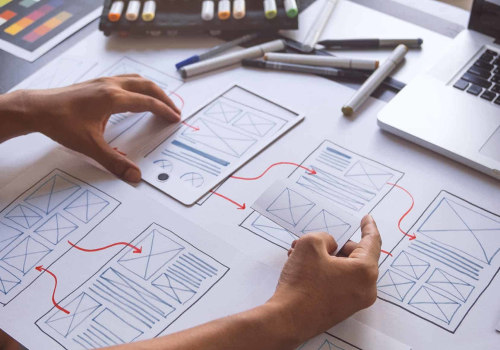
- User Experience (UX) Design: A deep understanding of UX principles is essential for creating intuitive and user-friendly websites. This includes conducting user research, creating wireframes, and performing usability testing to ensure that the final product meets user needs.
- User Interface (UI) Design: UI design focuses on the aesthetics and interactivity of a website.
Designers must be adept at creating visually engaging interfaces that guide users seamlessly through their online experience.
- SEO Knowledge: Understanding the basics of search engine optimization (SEO) is crucial for web designers. This includes knowledge of keyword integration, meta tags, and site structure to ensure that websites rank well in search engine results.
- Responsive Design: With the increasing use of mobile devices, designing websites that function well on various screen sizes is imperative. Familiarity with responsive design techniques ensures that users have a consistent experience across devices.
- Soft Skills: Effective communication and collaboration are key in web design. Designers often work with clients, developers, and other stakeholders, making it essential to articulate ideas clearly and listen to feedback constructively.
- Continuous Learning: The web design landscape is constantly changing due to technological advancements and shifting user expectations.
Staying updated with the latest trends, tools, and best practices through online courses, webinars, or industry conferences is vital for long-term success.
Career Opportunities in Web Design: Beyond Traditional Roles
The landscape of web design is rapidly evolving, and with it comes a plethora of career opportunities that extend far beyond traditional roles. As technology advances and user expectations shift, web designers are finding themselves at the forefront of various emerging fields and specializations. Here, we will explore some of these exciting career paths that are shaping the future of web design.User Experience (UX) Designer
One of the most sought-after roles in the digital space is that of a User Experience (UX) Designer.This position focuses on understanding user behavior and creating intuitive interfaces that enhance user satisfaction. UX designers conduct research, create user personas, and develop wireframes to ensure that websites are not only visually appealing but also functional and easy to navigate.
User Interface (UI) Designer
Closely related to UX design, User Interface (UI) Designers concentrate on the aesthetics and interactive elements of a website. They work on the visual aspects, including color schemes, typography, and layout, ensuring that the design aligns with the brand's identity while providing a seamless user experience. UI designers often collaborate with UX designers to create cohesive designs that meet both functional and aesthetic goals.Web Accessibility Specialist
As inclusivity becomes a priority in web design, the role of a Web Accessibility Specialist is gaining prominence.These professionals focus on making websites accessible to all users, including those with disabilities. They ensure compliance with accessibility standards such as WCAG (Web Content Accessibility Guidelines) and implement best practices to create an inclusive online environment.
Front-End Developer
For those who enjoy coding, transitioning into a Front-End Developer role can be a natural progression. Front-end developers take the designs created by UX/UI designers and turn them into functional websites using languages like HTML, CSS, and JavaScript. This role requires a strong understanding of both design principles and technical skills, making it an ideal fit for those who want to bridge the gap between design and development.Content Strategist
A Content Strategist plays a crucial role in web design by ensuring that the content aligns with the overall design and user experience.They develop content plans that resonate with target audiences while optimizing for SEO. This role requires collaboration with designers to create engaging content that enhances the website's effectiveness.
Digital Marketing Specialist
The intersection of web design and digital marketing has led to the emergence of roles such as Digital Marketing Specialists. These professionals leverage their understanding of web design to create marketing campaigns that drive traffic and conversions. Their expertise in analytics helps them assess website performance and make data-driven decisions to improve user engagement.In conclusion, the future of web design is not limited to traditional roles; it encompasses a wide array of specializations that cater to diverse interests and skill sets.As technology continues to evolve, so too will the opportunities for web designers looking to carve out their niche in this dynamic field.
The Importance of SEO in Web Design
In the realm of web design, the integration of Search Engine Optimization (SEO) principles is not just beneficial; it is essential. As the digital landscape becomes increasingly competitive, understanding how to optimize a website for search engines can significantly impact its visibility and user engagement. This section delves into the importance of SEO in web design and outlines effective strategies that designers can implement to enhance their projects.First and foremost, SEO is crucial because it directly influences a website's ranking on search engine results pages (SERPs). A well-optimized site is more likely to appear at the top of these results, which translates to increased traffic and potential conversions.Therefore, web designers must prioritize SEO from the initial stages of the design process.Here are some key reasons why SEO should be a fundamental aspect of web design:
- Improved User Experience: Websites that are optimized for search engines often provide a better user experience. This includes faster loading times, mobile responsiveness, and intuitive navigation—all factors that contribute to lower bounce rates and higher user satisfaction.
- Higher Conversion Rates: An optimized website attracts more relevant traffic, which can lead to higher conversion rates. When users find what they are looking for quickly and easily, they are more likely to engage with the content or make a purchase.
- Long-Term Results: Unlike paid advertising, which stops generating traffic once the budget runs out, effective SEO strategies can yield long-lasting results. A well-optimized site can continue to attract visitors over time without ongoing costs.
- Keyword Research: Understanding what keywords potential visitors are using to search for products or services is vital.
Designers should collaborate with SEO specialists to identify relevant keywords and integrate them naturally into the website's content.
- On-Page Optimization: This includes optimizing title tags, meta descriptions, header tags, and image alt texts. Each element should be crafted with both user experience and SEO in mind.
- Responsive Design: With an increasing number of users accessing websites via mobile devices, ensuring that a site is mobile-friendly is crucial for both user experience and SEO rankings.
- Site Speed: A fast-loading website not only enhances user experience but also positively impacts SEO rankings. Designers should optimize images and streamline code to improve loading times.
This dual focus on aesthetics and functionality will ensure that their designs stand out in an ever-evolving digital marketplace.
Adapting to Technological Changes: Staying Relevant as a Designer
In the fast-paced world of web design, staying relevant requires a proactive approach to adapting to technological changes. As new tools, frameworks, and trends emerge, web designers must continuously evolve their skill sets to meet the demands of clients and users alike.Embracing New Technologies
One of the most effective ways for web designers to remain competitive is by embracing new technologies. This includes familiarizing oneself with:
- Responsive Design: With the increasing use of mobile devices, understanding how to create designs that adapt seamlessly across various screen sizes is crucial.
- CSS Grid and Flexbox: These modern layout techniques allow for more flexible and efficient designs, enabling designers to create complex layouts without compromising performance.
- JavaScript Frameworks: Familiarity with frameworks like React, Vue.js, or Angular can enhance a designer's ability to create dynamic and interactive user experiences.
Continuous Learning and Skill Development
The web design landscape is ever-changing, making continuous learning essential. Designers should consider:
- Online Courses: Platforms like Coursera, Udemy, and LinkedIn Learning offer courses on the latest design trends and technologies.
- Webinars and Workshops: Participating in industry webinars can provide insights into emerging trends and best practices from experts in the field.
- Networking with Peers: Engaging with other professionals through forums or local meetups can foster knowledge sharing and collaboration.
Staying Ahead of Design Trends
To maintain relevance, web designers must also keep an eye on evolving design trends.
Some current trends include:
- Minimalism: Clean, simple designs that focus on functionality are gaining popularity as users seek faster loading times and easier navigation.
- Dark Mode: As more applications adopt dark themes, understanding how to implement this feature can enhance user experience.
- Sustainable Design: With growing awareness of environmental issues, incorporating sustainable practices into web design is becoming increasingly important.
Conclusion: The Enduring Need for Expert Web Designers
As we look to the future of web design, it becomes increasingly clear that the role of expert web designers is not only relevant but essential. The digital landscape is evolving at a rapid pace, and with it, the expectations of users and businesses alike. While DIY website builders and AI-driven solutions have made strides in simplifying the web creation process, they cannot replicate the nuanced understanding and creativity that professional designers bring to the table.Throughout this article, we have explored several key factors that contribute to the enduring demand for skilled web designers:- Complexity and Customization: Businesses today require websites that are not just functional but also tailored to their unique brand identity.
Expert web designers possess the ability to create customized solutions that reflect a company's vision and values.
- User Experience (UX): A well-designed website goes beyond aesthetics; it prioritizes user experience. Professional designers understand how to create intuitive navigation, engaging layouts, and responsive designs that enhance user satisfaction.
- Technical Expertise: Knowledge of coding languages such as HTML, CSS, and JavaScript is crucial for building robust websites. Expert designers are equipped with the technical skills necessary to implement advanced features and ensure optimal performance.
- SEO Optimization: In an era where visibility is paramount, web designers who understand SEO principles can create sites that rank higher in search engine results. This expertise is invaluable for businesses looking to increase their online presence.
- Adaptability: The digital world is constantly changing, with new technologies and trends emerging regularly.
Skilled web designers are committed to continuous learning, allowing them to stay ahead of the curve and provide cutting-edge solutions.